By Natasha Pomelova, Founder of MedicalSpaLocator.com and melov.ai — 15 years in pharmaceutical commercialization at Takeda, Amgen, Astellas, and Horizon Therapeutics.
per session
results timeline
verified providers
PRF vs PRP — What Actually Differs
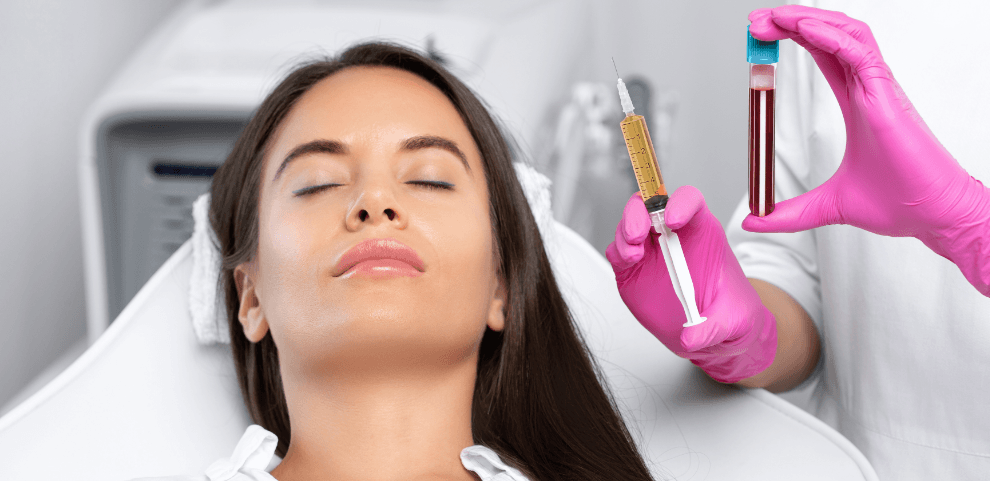
Platelet-Rich Plasma (PRP) uses anticoagulants, high centrifuge spin speed, and produces a liquid that releases growth factors in a rapid burst. Platelet-Rich Fibrin (PRF) eliminates anticoagulants, uses a lower spin speed, and produces a fibrin scaffold — a gel-like matrix that releases growth factors slowly over 7–14 days rather than all at once.
The clinical significance: sustained growth factor release means more prolonged fibroblast stimulation and greater collagen synthesis compared to PRP's burst pattern. A 2021 randomized controlled trial by Goldberg et al. in the Journal of Cosmetic Dermatology (n=42) found PRF superior to PRP for periorbital rejuvenation at 6-month follow-up, with greater improvement in skin texture and under-eye hollows.
In practical terms: PRF requires drawing blood and processing it immediately at the point of care. The centrifuge protocol — speed, time, tube type, and temperature — varies by system and has a significant effect on the quality of the fibrin matrix produced.
What PRF Treats
| Condition | Protocol | Sessions | Timeline | Cost Range |
|---|---|---|---|---|
| Under-eye hollows | Injectable PRF gel | 2–3 | 2–4 months | $600–$1,200 |
| Skin rejuvenation | Microneedling + PRF topical | 3 monthly | 3–6 months | $500–$900/session |
| Hair restoration | Scalp injections | 3–4 monthly | 4–6 months | $400–$800/session |
| Acne scarring | Microneedling + PRF | 3–6 monthly | 3–9 months | $500–$900/session |
Is PRF Safe?
PRF is an autologous treatment — derived from the patient's own blood — so there is zero risk of allergic reaction to foreign substances. The product contains no additives, anticoagulants, or preservatives. Temporary bruising and swelling at the injection site are expected and typically resolve within 3–5 days.
From a regulatory standpoint, autologous substances do not require FDA approval because they are not manufactured products. However, the centrifuge used to process PRF must be FDA-cleared. Injectable PRF should be administered by or under the direct supervision of a licensed medical professional.
Choosing a PRF Provider
The centrifuge protocol matters as much as the provider's injection skill. Variables including spin speed (RCF), duration, tube type, and whether the tube is chilled affect the leukocyte concentration, platelet count, and fibrin architecture of the final product. Ask prospective providers which PRF system they use and what their protocol is — a knowledgeable provider will answer specifically.
For injectable tear-trough PRF in particular, the treatment is technically demanding and carries risk of vascular complications. The treating provider should be a board-certified physician or an advanced practitioner with specific training in periorbital anatomy, with a physician medical director available.
MedicalSpaLocator.com lists 18,000+ verified providers across 1,000+ U.S. cities. See our PRF treatment directory and PRP treatment providers for verified clinics near you.
Is Your Med Spa Visible When Patients Search for PRF?
Get a free AI visibility audit and see how your clinic appears across ChatGPT, Perplexity, and Google AI Overviews.
Get Your Free Audit →